Puralor AD: Supporting Focus & Attention in Children with ADD/ADHD
Puralor AD is a chewable nutritional supplement designed to support focus, attention, and brain health in children with ADD/ADHD — addressing oxidative stress, neurotransmitter imbalances, and micronutrient deficiencies through a synergistic blend of clinically studied ingredients.
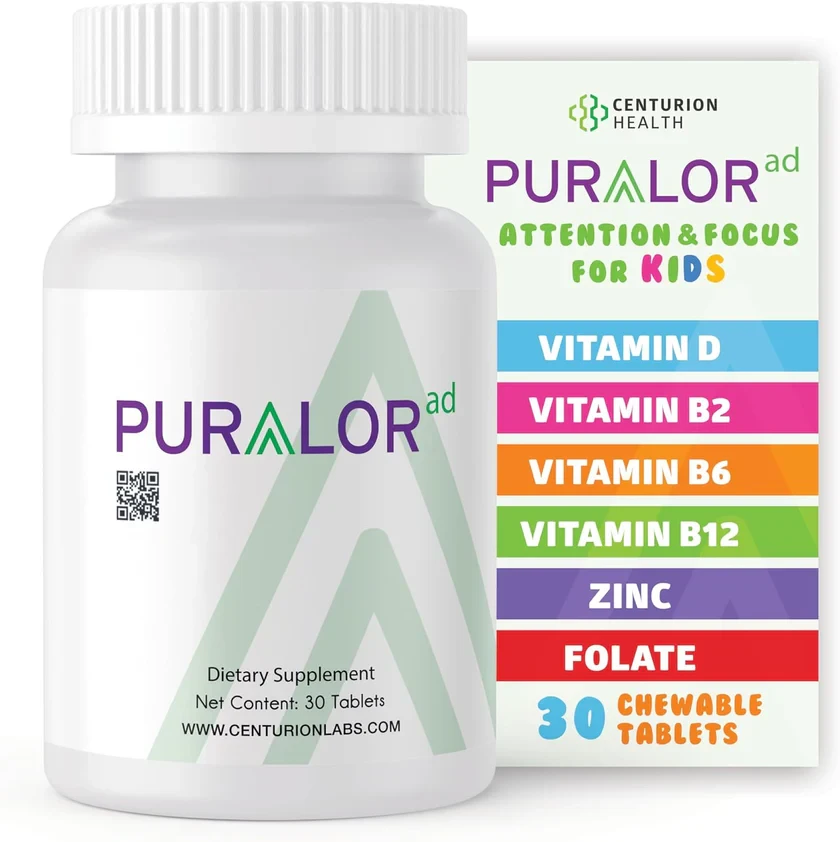
Puralor AD: Supporting Focus & Attention in Children with ADD/ADHD
Understanding Puralor AD
Puralor AD is a thoughtfully formulated chewable nutritional supplement designed to support focus, attention, and overall brain health in children with ADD/ADHD. It addresses common underlying issues such as oxidative stress, brain cell membrane dysfunction, neurotransmitter imbalances, and micronutrient deficiencies.
Key Ingredients & Mechanisms of Action
Phosphatidylserine (PS) A major phospholipid in brain cell membranes. Enhances membrane fluidity, supports efficient neurotransmitter release (especially dopamine), and improves attention, executive function, and reduces impulsivity. It also helps regulate cortisol levels. Clinical trials in children with ADHD (e.g., 200 mg/day) have demonstrated improvements in symptoms and memory.
Saffron Extract (standardized for crocin and safranal) Modulates dopamine and serotonin pathways with mild reuptake inhibition and MAO effects. Reduces inflammation and oxidative stress and may increase BDNF for neuroplasticity. Small randomized controlled trials in children and adolescents found it comparable to low-dose methylphenidate for hyperactivity and overall symptoms, often with better sleep and appetite profiles.
N-Acetyl-L-Cysteine (NAC) Precursor to glutathione, the body's primary antioxidant. Regulates glutamate levels to prevent excitotoxicity and exerts anti-inflammatory effects. Supports calmer focus, mood stability, and executive function.
Active B Vitamins (Folate & B12), Zinc, Vitamins C & D, and others Essential cofactors for dopamine synthesis, methylation processes (gene expression and detoxification), and antioxidant recycling. Deficiencies in these nutrients can worsen ADHD-like symptoms.
Holistic Synergistic Action
These ingredients work together to optimize synaptic transmission, protect neurons, balance brain excitation/inhibition, and address metabolic stressors. Benefits such as improved focus and reduced hyperactivity typically develop gradually over several weeks and are most effective when combined with a healthy diet, consistent sleep, exercise, and behavioral strategies.
Safety & Drug Interactions
- Generally favorable safety profile.
- Compatible with stimulant medications (e.g., methylphenidate, Adderall) in most cases; monitor for rare sensitivity.
- Caution with SSRIs or other serotonergic drugs due to saffron's mild activity.
- Low risk with most common pediatric medications. Vitamin C may mildly affect urinary pH (theoretical impact on stimulant excretion). Zinc has standard mineral interactions.
- Professional medical oversight is required before starting.
Comprehensive Multimodal Support Plan
The most effective approach to ADD/ADHD is multimodal — combining nutritional support, behavioral strategies, lifestyle foundations, school accommodations, and professional care.
1. Professional Assessment & Care Team
- Comprehensive evaluation (ADHD symptoms, co-occurring conditions, learning profile, nutrient status if indicated).
- Core team: Pediatrician/Child Psychiatrist, Psychologist/Therapist, School personnel, Occupational Therapist (as needed), and Nutritionist.
- Schedule regular follow-up appointments (every 1–3 months initially).
2. Behavioral & Therapeutic Interventions
- Parent Training Programs: Evidence-based programs teaching positive reinforcement, clear expectations, consistent consequences, and de-escalation techniques.
- Child Skills Training: Executive function coaching, adapted CBT for ADHD, emotional regulation, and social skills development.
- School Accommodations (504 Plan or IEP): Preferential seating, extended time, chunked assignments, movement breaks, fidget tools, reduced homework volume, and daily behavior reports.
3. Daily Lifestyle Foundations
Sleep
- Consistent bedtime and wake time (9–12 hours depending on age).
- Screen-free wind-down routine (reading, calming activities).
- Cool, dark, quiet sleep environment.
Physical Activity
- Minimum 60 minutes daily of moderate-to-vigorous activity.
- Include outdoor time whenever possible.
Nutrition & Hydration
- Protein-rich breakfast and snacks.
- Emphasize whole foods, omega-3 sources, vegetables, and fruits.
- Limit added sugars and ultra-processed foods.
- Ensure adequate hydration.
Environment & Routines
- Visual daily schedules.
- Organized, low-distraction workspaces.
- Consistent home-school communication.
4. Integrating Puralor AD
- Use as directed under medical supervision.
- Track progress with a simple symptom log (focus, hyperactivity, mood, sleep, appetite) for at least 4–8 weeks.
- Combine with the lifestyle foundations above for optimal results.
5. Parental & Family Strategies
- Use specific labeled praise and token/reward systems.
- Implement short, structured homework sessions with movement breaks.
- Create a "calm-down space" with sensory tools.
- Hold brief weekly family meetings to review wins and challenges.
- Prioritize parent self-care and support networks (e.g., CHADD groups).
6. Sample Daily Routine (School-Age Child)
- Morning: Wake, hygiene, nutritious breakfast + Puralor AD, review schedule.
- After school: Snack, physical activity, homework in short segments, free time.
- Evening: Family dinner, limited screens, calming routine, consistent bedtime.
7. Monitoring, Progress Tracking & Adjustments
- Use rating scales and daily logs.
- Celebrate small improvements.
- Reassess and adjust the plan every 4–8 weeks with the care team.
- Long-term goal: Build the child's self-awareness and self-advocacy skills.
8. Recommended Resources
- Books: Taking Charge of ADHD by Russell Barkley; Smart but Scattered by Peg Dawson & Richard Guare.
- Websites/Organizations: CHADD.org, ADDitudeMag.com, Understood.org.
- Apps: Visual schedule apps, focus timers, habit trackers.
Final Notes
Success with ADD/ADHD comes from consistency, patience, and a strengths-based approach that celebrates the child's unique qualities — creativity, energy, and curiosity. Puralor AD can serve as valuable nutritional support within this broader plan.
For personalized guidance, stop by Phillips Pharmacy in Vidalia, GA. Our pharmacists are happy to answer questions about Puralor AD and how it may fit into your child's wellness plan.
Always consult your child's healthcare provider before starting any supplement or making significant changes. As with all supplements, these statements have not been evaluated by the FDA.
Explore Topics
Written by
Phillips Pharmacy Team
Content creator and writer sharing insights and stories.


