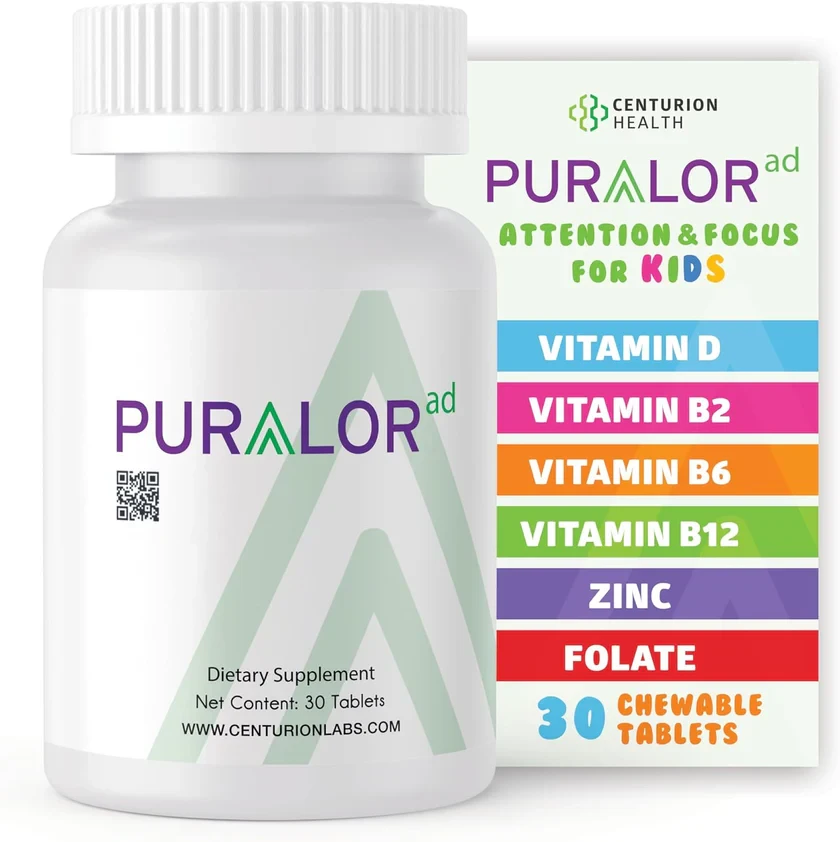
Methylated B12 & Folate for ADHD
Discover how methylated B12 and folate support brain chemistry, neurotransmitter production, and ADHD symptom management — and how to use them safely.

Methylated B12 & Folate for ADHD
Managing ADHD involves more than just behavior strategies or medication — it starts at the biochemical level. Emerging interest in methylated B12 and folate centers on their critical roles in methylation, a natural process that influences neurotransmitter production, detoxification, and cognitive function.
Unlike standard B vitamins, these active forms bypass common genetic hurdles — such as MTHFR variations — allowing the body to use them immediately to support brain health. When methylation runs smoothly, the brain can produce balanced levels of dopamine and serotonin, key players in focus, mood, and impulse control. Suboptimal levels, however, may contribute to symptoms like mental fog, hyperactivity, and emotional dysregulation in both children and adults.
The Methylation Connection: How B12 and Folate Fuel Brain Health
Methylation is a critical biochemical process that influences everything from DNA repair to neurotransmitter synthesis — making it a key player in cognitive function and behavioral regulation. Central to this process are two essential nutrients:
- Methylcobalamin — the active, bioavailable form of vitamin B12
- L-Methylfolate (5-MTHF) — the bioactive form of folate
Unlike their synthetic counterparts (cyanocobalamin and folic acid), these methylated forms are readily utilized by the body, bypassing conversion steps that some individuals struggle with due to genetic variations like the MTHFR polymorphism.
These nutrients serve as methyl donors, fueling the production of neurotransmitters such as dopamine, serotonin, and norepinephrine — chemicals that regulate attention, motivation, and emotional control. Suboptimal levels can contribute to cognitive fog, impulsivity, and low energy.
Methylated vs. Non-Methylated: Why the Form Matters
Not all B12 and folate supplements are created equal. Here's how the two forms compare:
Bioavailability Methylated forms are absorbed more efficiently and enter the bloodstream in their active state, supporting faster neurotransmitter synthesis linked to focus and mood regulation.
Genetic Compatibility Up to a third of the population may have reduced enzyme efficiency that impacts folate and B12 metabolism. For these individuals, methylated options are far more reliable for supporting optimal brain chemistry.
Neurotransmitter Production Methyl donors play a direct role in creating dopamine and serotonin — chemicals often imbalanced in ADHD — giving methylated nutrients a meaningful edge in symptom support.
Tolerance Non-methylated forms may cause irritability or insomnia in sensitive individuals, while methylated versions are generally better tolerated, especially in neurodivergent populations.
What the Evidence Says
Emerging research and patient-reported experiences suggest that methylated forms of B12 and folate may play a supportive role in managing ADHD symptoms — particularly for individuals with MTHFR gene variants, which can impair the body's ability to process folic acid and support neurotransmitter synthesis.
Clinically, these nutrients contribute to the production of dopamine, serotonin, and norepinephrine. While large-scale trials are still limited, smaller studies and clinical observations have noted improvements in focus, reduced irritability, and better emotional regulation when these nutrients are incorporated as part of a broader nutritional strategy.
Reported benefits include:
- Increased mental clarity and stamina throughout the day
- Improved concentration during work or school tasks
- Reduced mood swings and heightened resilience to stress
For those exploring natural supports for ADHD, pairing methylated B12 and folate with a balanced diet and consistent sleep can enhance overall brain function.
Step-by-Step Guide to Supplementing Safely
Step 1: Choose the Right Forms
Look specifically for methylcobalamin (not cyanocobalamin) and L-methylfolate (not folic acid). These are the bioavailable forms that bypass common genetic processing issues.
For children, sublingual sprays or chewable tablets offer easier absorption and better compliance. Adults may opt for capsules or sublingual drops. Infants and toddlers should only be supplemented under professional guidance.
Step 2: Begin With Low Doses
Start with:
- Methylated B12: 100–250 mcg daily
- L-Methylfolate: 200–400 mcg daily
Gradually increase every two weeks based on response — up to 1,000 mcg B12 and 800 mcg folate for adults. Children typically require lower amounts, scaled by weight and age.
Step 3: Time It Right
Take supplements in the morning with food to support energy metabolism and prevent sleep disruption. Splitting doses between morning and midday can enhance steady neurotransmitter support throughout the school or workday.
Step 4: Monitor and Adjust
Track mood, energy, and focus changes over 6–8 weeks before assessing full impact. Some individuals experience overstimulation — reduce dosage if irritability or insomnia occurs.
Safety Considerations and Side Effects
While methylated B12 and folate are generally well tolerated, there are a few things to be aware of:
Gastrointestinal Sensitivity Some individuals report nausea, diarrhea, or stomach cramps — particularly at higher doses. Starting low and increasing gradually helps minimize this.
Overmethylation Excess methyl donors may lead to anxiety, insomnia, or irritability in prone individuals. This is more common in people with certain MTHFR mutations. If mood or sleep worsens after starting supplementation, adjust dosage and timing.
Masking B12 Deficiency Folate alone can correct anemia caused by B12 deficiency without addressing the underlying nerve damage. Always pair folate with active B12 (methylcobalamin) to prevent neurological complications.
Medication Interactions These supplements may interact with anticonvulsants, certain antidepressants, or methotrexate. If you or your child is managing ADHD alongside other health conditions, discussing supplement use with a pharmacist ensures safe coordination.
B-Vitamin Balance High-dose B12 or folate can disrupt the balance of other B-complex nutrients. Supporting overall brain health means considering the full spectrum, not just isolated compounds.
Frequently Asked Questions
What exactly are methylated B12 and folate, and why do they matter for ADHD? Methylcobalamin and methylfolate are active forms of B vitamins the body can use immediately without conversion. In ADHD, they support neurotransmitter production — especially dopamine and serotonin — which regulate attention, mood, and behavior.
How are they different from regular B supplements? Unlike cyanocobalamin or folic acid, methylated forms bypass metabolic conversion steps. This is especially beneficial for people with MTHFR gene variations, which can impair the body's ability to process standard B vitamins.
Can these supplements replace ADHD medication? No — they're a complementary support, not a substitute. Many use methylated B12 and folate as part of a broader natural management plan that includes diet, movement, and behavioral strategies. Always coordinate changes with a healthcare provider.
What's the best time of day to take them? Morning with food is ideal to support energy and focus throughout the day. Taking them too late may cause overstimulation in some individuals.
How long before I notice a difference? Some report improved clarity within two weeks, while full benefits may take 4–8 weeks of consistent use.
Are there side effects to watch for? Most people tolerate them well. High doses may cause irritability or insomnia — start low and increase gradually.
A Note From Our Team
At Phillips Pharmacy, we understand that managing ADHD is a deeply personal journey — and that families and adults are looking for every safe, evidence-informed tool available. Our pharmacists are happy to help you navigate supplement options, review your current medications for interactions, and point you toward the right forms and doses for your situation.
Stop by at 306 W 1st St in Vidalia, call us at 912-537-3049, or send us a message through our website. We're here to help you build a plan that works.
Explore Topics
Written by
Phillips Pharmacy Team
Content creator and writer sharing insights and stories.