Fish Oil and Omega-3: Uses & Benefits
Discover the science-backed benefits of omega-3 fatty acids for heart, brain, and joint health — and how to safely add fish oil to your daily routine.

Fish Oil and Omega-3: Uses & Benefits
Did you know most adults don't get enough of the vital fatty acids crucial for brain, heart, and joint function? Fish oil and omega-3s are two powerhouse nutrients that play a foundational role in long-term wellness — and they're among the most researched supplements available today.
Unlike other fats, omega-3 fatty acids — specifically EPA (eicosapentaenoic acid) and DHA (docosahexaenoic acid) — are considered essential, meaning your body can't produce them on its own. You must get them through diet or supplementation.
Found primarily in cold-water fish like salmon, mackerel, and sardines, fish oil is one of the richest natural sources of these critical compounds. But with busy lifestyles and limited access to fresh seafood — especially in areas like Vidalia, GA — many people turn to high-quality fish oil supplements to fill the gap.
The Science Behind Omega-3 Benefits
Omega-3 fatty acids support three key systems in the body:
Heart Health Omega-3s contribute to healthy triglyceride levels and support balanced blood pressure, helping maintain circulatory efficiency. For communities like Vidalia, GA, where heart-healthy living is a priority, regular omega-3 intake can be a meaningful part of a preventive wellness routine.
Brain and Cognitive Function DHA is a major structural component of the brain, making up a significant portion of brain cell membranes. Adequate DHA intake supports cognitive processing, memory retention, and mood regulation — especially important during high-stress periods or as we age.
Joint Comfort and Mobility Omega-3s help modulate the body's natural inflammatory response, reducing stiffness and supporting flexible movement. This makes them particularly valuable for active individuals and older adults managing everyday joint discomfort.
Top 6 Uses of Omega-3s for Everyday Wellness
1. Support Heart Health With Daily Fish Oil
Fish oil supplements are widely used to help maintain healthy triglyceride levels and support overall cardiovascular function. Just one capsule a day can contribute to a heart-healthy regimen, especially when combined with regular physical activity.
2. Boost Brain Function Through Diet
Fatty fish like salmon and mackerel are rich in DHA. Adding two weekly servings to your meals promotes long-term mental clarity and may support memory retention over time.
3. Reduce Inflammation Naturally
Chronic inflammation is linked to joint discomfort and fatigue. Omega-3s possess anti-inflammatory properties that help modulate the body's response — making them valuable for anyone staying active, whether in a busy city or a close-knit community like Vidalia.
4. Optimize Prenatal Nutrition
Expectant mothers often use fish oil to support fetal brain and eye development. Always consult a healthcare provider to determine the right dosage and ensure safety during pregnancy.
5. Incorporate Plant-Based Omega-3s
Flaxseeds, chia seeds, and walnuts provide ALA, a plant-based omega-3. While the body's conversion of ALA to active EPA and DHA is limited, these foods still contribute to overall nutrient intake and digestive health.
6. Enhance Skin and Hair Vitality
Omega-3s help maintain the skin's lipid barrier and may reduce dryness and irritation. Regular intake can lead to improved texture and a natural, healthy glow over time.
How to Safely Add Fish Oil to Your Routine
Getting the benefits of omega-3s is straightforward — but doing it right matters.
Determine the Right Dosage Start with a standard daily dose of 250–500 mg of combined EPA and DHA for general wellness. If you're addressing specific concerns like elevated triglycerides or joint discomfort, consult a healthcare provider for higher, targeted amounts. Avoid exceeding 2,000 mg of combined EPA and DHA daily without professional guidance.
Choose the Best Form Fish oil comes in triglyceride, ethyl ester, and re-esterified triglyceride forms. Triglyceride and re-esterified forms offer better absorption. For those sensitive to a fishy aftertaste, look for enteric-coated capsules or flavored liquid versions.
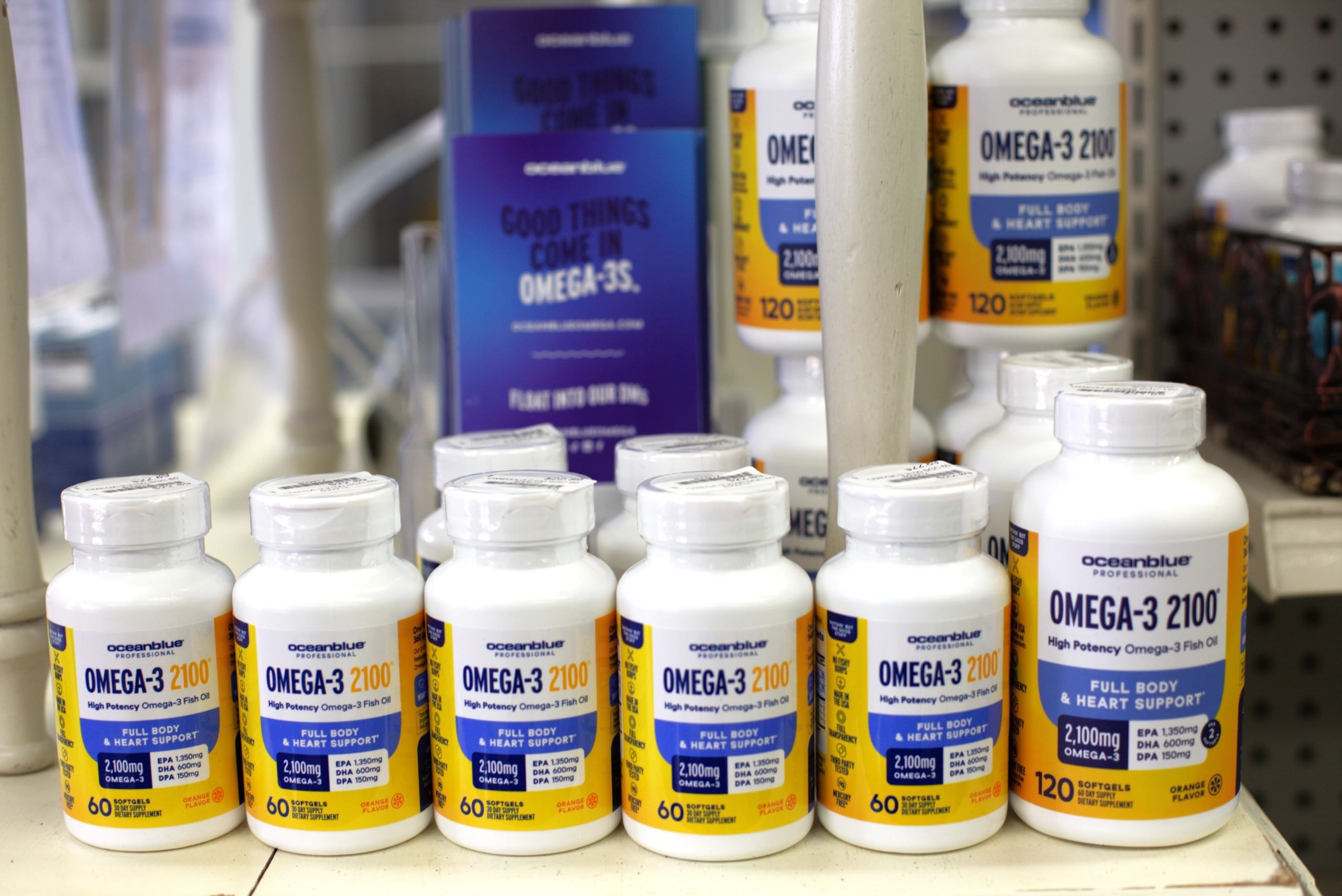
At Phillips Pharmacy, we carry OceanBlue Omega-3 — a high-purity supplement with verified EPA and DHA concentrations, available in easy-to-take softgels.
Take With Meals Always consume fish oil with food to enhance absorption and reduce the risk of gastrointestinal side effects like burping or nausea. Pairing it with a source of dietary fat increases bioavailability.
Store Properly Keep supplements in a cool, dark place. Refrigeration can help prevent oxidation and maintain potency, especially for liquid formulations.
Monitor for Interactions If you take blood thinners or have a bleeding condition, talk to your pharmacist or physician before starting omega-3s, as they may affect blood clotting.
Frequently Asked Questions
Is fish oil safe for daily use? Yes, fish oil is generally safe for most adults when taken as directed. Standard doses range from 250–500 mg of combined EPA and DHA per day. Extremely high doses may increase the risk of bleeding or interact with blood-thinning medications. Always follow label instructions or consult a healthcare provider.
Can seniors benefit from omega-3s? Absolutely. Omega-3 fatty acids support cardiovascular health, cognitive function, and joint flexibility — key concerns for aging adults. Regular intake may help maintain brain health and support healthy cholesterol levels, making fish oil a valuable part of a senior's wellness routine.
Is fish oil safe during pregnancy? Prenatal omega-3 intake, especially DHA, is often recommended to support fetal brain and eye development. Pregnant women should choose purified supplements tested for contaminants like mercury. Discuss dosage and formulation with a healthcare provider to ensure safety and efficacy.
Are there plant-based omega-3 sources? Yes. Alpha-linolenic acid (ALA) is found in flaxseeds, chia seeds, and walnuts. However, the body must convert ALA into active EPA and DHA — an inefficient process. For optimal results, especially for those with limited fish intake, algae-based supplements offer a direct source of DHA.
How soon can I expect results? Benefits such as reduced joint discomfort or improved skin texture may appear in as little as 4–6 weeks. Cognitive and cardiovascular improvements typically develop over several months of consistent use. Pairing supplementation with a balanced diet enhances outcomes.
Take Charge of Your Long-Term Wellness
Omega-3 fatty acids are among the most well-researched nutrients available — and for good reason. Consistent intake supports your brain, heart, joints, and overall cellular health in ways that compound over time.
Small, sustainable changes lead to lasting results. Start by evaluating your current intake, then set actionable goals — like adding a daily supplement or planning two fish-based meals per week.
Our team at Phillips Pharmacy is happy to help you choose the right omega-3 product for your needs, review any potential interactions with your current medications, and answer any questions you have. Stop by at 306 W 1st St in Vidalia, call us at 912-537-3049, or send us a message through our website.
Explore Topics
Written by
Phillips Pharmacy Team
Content creator and writer sharing insights and stories.